PET & CT scans
Positron emission tomography combined with computed tomography (PET and CT) is a powerful diagnostic tool that merges two imaging techniques into one comprehensive scan.
What you need to know about PET and CT Scans
PET scans
A PET scan is a type of nuclear medicine that produces a three-dimensional (3D) image of how your body is functioning. It uses a small amount of radioactive material, called a tracer, that’s injected into your body before the scan.
During the procedure, doctors measure changes specific to blood flow, how your body is absorbing the tracer material, and more.
CT Scans
A CT scan provides detailed images of your body’s internal structure. It uses X-ray technology to capture cross-sectional views of organs, bones, and tissues.
CT scans are commonly used to detect injuries, tumors, infections, and abnormalities in various parts of the body.
PET and CT Combo
CT scans show your anatomy, and PET nuclear imaging shows processes happening within your body.
This powerful combination allows us to accurately diagnose cancer and other medical conditions by merging anatomical and functional insights into one comprehensive image.
Why PET and CT together?
Positron emission tomography (PET) combined with computed tomography (CT) scans are especially valuable for:
Brain disorder diagnosis
Assess conditions like Alzheimer’s, epilepsy, and certain movement disorders
Cancer detection and staging
Identify tumors, assess spread, and monitor treatment response
Heart disease evaluation
Detect areas of reduced blood flow or damaged heart tissue
This fusion of functional and structural imaging helps our physicians diagnose conditions earlier and more accurately.
Make an appointment
All radiology services require an appointment except X-rays. Call to schedule.

Find PET and CT scan services near you
PET and CT scans at Atlantic Health require a scheduled appointment.
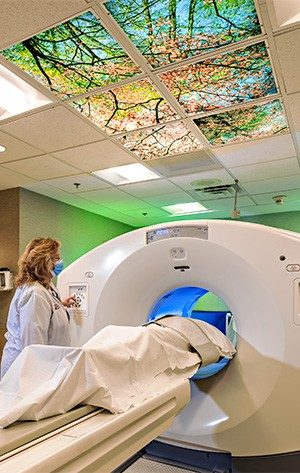
How to prepare for a PET and CT scan
- You may be asked to wear a gown during the exam, or you may be allowed to wear your own clothing.
- Women should tell their physician and the PET/CT technologist if you are breastfeeding or if there is any chance you may be pregnant.
- Leave at home metal objects such as jewelry, eyeglasses, dentures and hairclips or remove them before your exam. You may be asked to remove hearing aids.
- After getting your tracer injection, you’ll need to relax for one to two hours before your scan. You may bring reading material if you decide to stay on-site during this time.
- To avoid delays, bring a written copy of the order provided by your doctor, or confirm that your order is in MyChart.
PET and CT scan results
A radiologist will closely examine and interpret your PET and CT images. They’ll send a signed report to your primary care physician or the doctor who referred you for the diagnostic imaging. Then your doctor will discuss the results with you. Results will also be available in MyChart.