Advanced Surgical Associates - Springfield

Comprehensive weight loss care
We are a premier bariatric and general surgery practice in New Jersey that offers effective and advanced surgical techniques for those in need of intervention for diseases, including obesity and abdominal disorders. Our team now offers both surgery and obesity medicine, including GLP-1 medications, to give patients more options for weight loss.
Ready for the Next Step?
Are you a candidate for weight loss surgery? The first requirement for people interested in weight loss surgery is to watch our free, on-demand webinar. This webinar educates potential, qualified patients on the benefits and risks. Listen to Dr. Feteiha explain everything you need to know about bariatric surgery and whether it is the right choice for you.

We perform the following medical procedures
Weight Loss Surgery
Hernia Repair
GERD Surgery
General Surgery
Weight loss surgery
The goal of weight loss surgery is to live a better, healthier and longer life. Most patients enjoy an improvement in health and obesity-related conditions (such as mobility, self-image and self-esteem).
You should make the decision to have weight loss surgery only after talking with medical professional. Decide if the benefits outweigh the side effects and potential physical and emotional complications. Your ultimate success depends on your adherence to the recommended dietary, exercise and lifestyle changes.
Types of weight loss surgeries
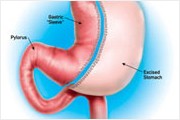
Vertical sleeve gastrectomy at Advanced Surgical Associates reduces the size of the stomach so that patients feel full after eating much less, thereby taking in fewer calories, and losing weight.
During surgery, the stomach is stapled and divided vertically, removing more than 85 percent of its capacity while retaining the nerves and outlet valve to preserve function. What remains resembles a very slim banana with an approximate volume of one to five ounces.
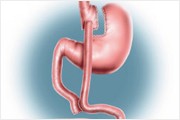
Gastric bypass surgery at Advanced Surgical Associates is a restrictive-malabsorptive procedure, meaning it not only limits the volume of food that can be eaten, but also decreases the absorption of fat and calories.
During the operation, a surgeon will use staples to divide the stomach into a smaller upper half and larger lower half. Next, the smaller section or pouch is connected directly to the small intestine. As a result, patients feel full after eating less.
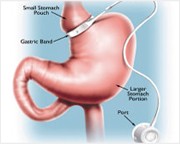
Adjustable gastric band procedures at Advanced Surgical Associates control the amount of food that can be consumed at one time.
A hollow silicone band is placed around the top of the stomach, creating a small pouch and narrow passageway. The band is then inflated with a saline solution. When the patient eats, food enters the pouch and is slowly emptied into the stomach via the narrowed passageway. The band can be adjusted by the surgeon, as needed. Patients considering this procedure are carefully screened for dietary habits and preferences, as well as pre-existing gastroesophageal reflux disease (GERD).
The ultimate goal of a bariatric procedure is to help a patient improve or eliminate diseases associated with obesity and to lose weight quickly and safely. Every procedure available today has become increasingly effective and safer than ever.
However, not every bariatric procedure ultimately works as it is supposed to. In cases where the procedure fails to offer the patient a suitable and acceptable result, the procedure can be revised either by performing the same procedure again or by converting the procedure to another form.
At Advanced Surgical Associates, weight loss procedures can be revised both in the case of short-term failure, where the procedure itself fails and long-term failure where the stomach pouch may have stretched or the stoma has widened, allowing more food to be consumed.
Bariatric surgery is a very personal decision, but it also requires care in matching the patient to the procedure. Further, a patient is responsible for keeping up with a significant lifestyle change.
A revisional surgical procedure carries some added risk, especially if the patient is in generally poor health. Revision procedures should not be performed without suitable diagnostic testing to understand what is causing the lack of weight loss.
The first course of action is to analyze the patient’s dietary and exercise habits. Often, patients get themselves into a dietary rut and are not able to lose the weight as they were in the first few months after surgery. Our team will be able to quickly analyze these habits to understand if a simple change in lifestyle is sufficient to start losing weight again.
If we cannot find a reversible reason for a lack of weight-loss and ultimately decide that the procedure needs to be revised, there are many options. For example, the gastric sleeve can be revised to a gastric bypass or duodenal switch, the gastric band can be revised to a gastric sleeve or gastric bypass and a gastric bypass can be revised by adding a band or through various minimally invasive outpatient techniques.
Regardless of the cause, any lack of weight loss or significant weight regain should be evaluated by your bariatric surgeon. Understanding the real cause of the problem will ensure that a revision procedure is truly necessary.
Considering weight loss surgery
The choice to undergo bariatric surgery is one of the most important decisions of your life. Below, you’ll find a few of several medically accepted criteria for defining morbid obesity and helping you determine whether or not you will qualify for bariatric surgery:
- If you are more than 100 pounds over your ideal body weight
- If you have a Body Mass Index (BMI) of 40 or over
- If you have a BMI of 35 or over and diagnosed significant co-morbidities, such as high blood pressure or diabetes
- If you haven’t been able to maintain healthy body weight even with medically supervised dieting
Body Mass Index (BMI) calculators have been the basic standard by which the average patient can help determine his or her eligibility for weight loss surgery. BMI calculator can both describe what weight category you fall into and help you track your weight with a simple easy-to-understand number.
Bariatric surgery should not be viewed as a weight loss tool exclusively. It is a tool to improve or eliminate the diseases that are caused and exacerbated by obesity. In the end, it is up to our office and/or your insurance company to decide whether you are a candidate for bariatric surgery.
General surgery information
We are with you every step of the way.
Before your scheduled surgical procedure with a surgeon at Advanced Surgical Associates, please follow these instructions:
Seven days before surgery
Stop taking all blood thinners – Aspirin, Plavix, Coumidin, etc.
The day before surgery
Nothing to eat or drink after midnight
Pre-operative preparation for stomach and weight loss surgery
- Drink only clear liquids
- Take one bottle of Miralax at 2:00pm
Pre-operative bowel preparation instructions for colon surgery
Before your scheduled surgical procedure, please follow this instruction:
- Only clear liquid diet
- Drink water liberally throughout the day
8:00am the day before surgery
- Reglan (Metocloperamide) 10 mg by mouth
10:00am the day before surgery
- Start Halflytely Bowel Prep Kit
1:00pm the day before surgery
- Neomycin Sulfate: 1 gram orally
- Erythromycin Base: 1 gram orally
2:00pm the day before surgery
- Neomycin Sulfate: 1 gram orally
- Erythromycin Base: 1 gram orally
- Reglan (Metocloperamide) 10 mg by mouth
8:00pm the day before surgery
- Reglan (Metocloperamide) 10 mg by mouth
11:00pm the day before surgery
- Neomycin sulfate: 1 gram orally
- Erythromycin base: 1 gram orally
- Reglan (Metocloperamide) 10 mg by mouth
After midnight the night before surgery
- Take nothing by mouth
6:00am the morning of surgery
- Take your usual oral medications with a sip of water
Fleet enema
Give yourself a Fleet enema about an hour before leaving your home for the hospital the morning of surgery if instructed by your surgeon.
At Atlantic Surgical Associates, we want our patients to learn more about the post-operative part of their surgery. In order to make your surgical procedure the safest and most effective it can be, we encourage all of our patients to review the information below. Please understand this is only a guide and should not be construed as medical advice. You will receive a post-surgical and hospital discharge packet with instructions for your case and procedure – please follow those guidelines as they have been set out for you, specifically.
At the hospital or ambulatory surgery center
Depending on the procedure, you may be able to leave the hospital or surgery center on the same day of your procedure. For other surgeries – those that are more complex or that require an open incision – may mean an overnight or longer hospital stay. Your surgeon will notify you regarding the expected hospital stay during your consultation.
No matter the length of recovery in the hospital or surgery center, please note the following:
- Make sure you let your nurse know if you have any unusual pains or sensations. Not only do we want to keep you comfortable, but we also want to make sure that we address any possible complications as soon as possible
- When asked, start to walk around the facility. Blood flow and circulation is very important for recovery and walking helps the circulatory system recover
- You will need plenty of rest. However, you will be interrupted frequently by hospital staff ensuring your condition is improving. As a result, you may consider limiting your visitors to certain hours. This way, you can maximize the time you have to rest
- Don’t rush it. We all want to get out of the hospital, but the hospital stay is important to ensure a full and complication-free recovery. It is a nuisance, but it is only for a limited time.
Recovery time at the surgical facility is important because it allows your nurses and doctors to monitor your health and be sure that you are ready to go home. Also remember that we are at your disposal to answer questions and give you advice. Feel free to ask any questions you may have during your hospital stay. Of course, once you are discharged, you can always call our office with any questions you may have.
Going home
Good post-op care helps you heal quickly and safely so:
- Follow all instructions and guidelines you are given
- Know how to care for your incision
- Learn how to control any pain or discomfort
- Know the signs of problems after surgery
- Know when to call your surgeon
Eating the Right Food
At first, you may only want liquids (tea, soda, flavored gelatin or clear soup). Eventually, you’ll feel ready to move onto soft foods like mashed potatoes or applesauce, which will provide more nutrition and still go down easily. Then, try high-protein solid foods like beans, yogurt, fish or chicken. Tell your doctor if you have food allergies or special food needs. It’s normal to lose fluids during surgery. Drinking liquids helps you feel better and balances your body’s chemicals. Drink 6 to 8 glasses of water a day (6-8 ounces each), unless you’ve been told not to. Watch for dark yellow urine (a sign that you may not be getting enough fluids). Try foods that are easy to digest, like clear soup, toast, crackers, ginger ale and gelatin. Avoid fatty foods that stay in your stomach a long time. Eat small amounts more often. And drink bubbly liquids to help you burp. Call your surgeon if you still have nausea, vomiting or diarrhea 12 hours after surgery.
Becoming More Active
After surgery, you’re likely to feel tired. So get plenty of rest to give your body time to heal. However, exercise is an important part of recovery and overall health, so you’ll want to begin by walking as long as you can without losing your breath. Slowly increase your level of activity until you are back to normal. Follow your surgeon’s advice about deep breathing, coughing, driving and other activities.
Breathing and Coughing
To help clear your lungs and prevent pneumonia, you may be shown how to deep-breathe and cough after surgery. If you were sent home with a spirometer, use it as you have been shown. After minor surgery, breathe deeply and cough regularly for 1 to 2 days. After major surgery, breathe deeply and cough regularly until the pain from your incision is gone. Support your incision with a pillow when you cough. To avoid lung problems, don’t smoke.
Caring for Your Incision
After surgery, you may be sent home with a dressing over your incision and may have steri-strips to keep it clean and dry. You may also have a tube or drain in place. Most are easy to care for. The golden rule for wound care is cleanliness. Remember that any time you touch your wound or handle dressings, your hands should be clean. This means rubbing them together with soap for about 20 seconds and rinsing with warm water. Using antibacterial soap is a plus. Any time you remove a dressing, the replacement should be a clean, new piece or wrap. Never reuse old gauze. Dressings are usually left untouched for 24-48 hours and during that time you should not shower or bathe. After that period of time you may remove the outer dressing, leaving the steri-strips in place. You will then be able to shower with the steri-strips still on, but continue not to bathe (we don’t want the wound entirely submerged in water for any period of time). The strips will likely stay on until you are seen by your doctor for a follow-up visit. If you have a tube or drain in place, keep it clean and dry. If a tube comes out, don’t panic and don’t try to replace it, but do call your surgeon. A slightly red, swollen incision is ok – so is some bleeding or discharge. But, if redness, bleeding, pain or swelling increases, if the incision smells bad or is warm to the touch, you may have an infection. If you notice any of these signs, gently press a clean dressing or cloth against your incision and call your surgeon. Also, fever can signal infection, so take your temperature twice a day. Call your surgeon if your temperature stays about 101◦ F. Call the surgeon if you have numbness or your fingers or toes look bluish. Learn more about when to call us.
Follow Up Care
Successful surgery includes follow-up care. Your surgeon needs to check your healing and see that you’re recovering safely. Ask when to return for your first follow-up visit and who to call to make an appointment. Also ask when you will have your stitches, staples, tubes or drains removed. If you’ve been taking medications for diabetes, heart disease or some other condition, ask your doctor about taking them while you recover. This can help you avoid side effects.
Returning to Work
Going back to work depends on your surgery and the type of work that you do. Your surgeon will decide when you can return to work. Often, it’s four to six weeks after major surgery and a few days after minor surgery. You may still be tired, so take frequent breaks during your workday and rest when you go home. You may have to avoid particularly strenuous job activities such as operating heavy machinery or heavy lifting until cleared by your surgeon.
Pain Medication
You may have some pain or discomfort after surgery. Pain medication will help you feel better and you’ll heal more quickly. It helps you move around more comfortably. Take it only as directed, before pain becomes severe. Don’t take it more or less often than you have been instructed. Taking it before bedtime may help you sleep. You will likely be prescribed both NSAIDs such as Ibuprofen (Advil) and a narcotic/opioid pain medication such as Oxycodone. You may wish to take the least potent medication to alleviate the degree of pain that you feel. With that said, taken as directed, the latter is not addictive; however you should notify your doctor if you have had any prior addiction problems or concerns. Don’t drink alcohol while on pain medication. Taking both at once can make you dizzy, slow down your lung function and can even be fatal Don’t drive or use heavy machinery or power tools, because narcotic pain medications can make you sleepy or impaired Ask your doctor before taking other medications, herbs or vitamins as they may have interactions with your medication Pain medication may cause constipation. Avoid laxatives unless they have been prescribed for you. Instead, increase your fluids and fiber. Tell your surgeon if you have stomach pain, nausea, skin rash, itching or hives. Ask your doctor about other ways to control pain, such as heat, ice and relaxation techniques. Follow any instructions your doctor or nurse have given to you.
When to Call Your Surgeon
Most surgical procedures are uneventful, with minimal complications. However, you must be aware of potential problems after surgery so you know what to look out for and can call us in the event that they occur. The most common post-surgical complication is infection. Anytime the skin is broken, no matter the size of the incision, there is a chance of infection. The likelihood of infection is increased if proper wound and incision care is not performed. Signs of Infection The following are typical signs of infection which should be addressed immediately by calling our office. Your incision becomes swollen, stays red or smells bad You have increased pain or soreness after moving. Remember that pain can also be referred. This means that the pain is not necessarily at the incision site. Any significant pain is a reason for a call. Your temperature is above 101◦ F Other potential complications may include: Your incision opening up. In this event, cover the incision site with a clean dressing or cloth and contact us immediately. The wound will be examined and secured closed Complications specific to the procedure you have undergone. During your consultation, and in your post-surgical packet, potential risks and complications will be discussed. Be on the lookout for any of these problems until you surgeon has cleared you at your follow-up appointment You should also call us if you feel any pains or sensations that are not covered in your post-surgical packet. While they may represent nothing serious, it is important to err on the side of safety and get checked out. Our #1 goal is your safety and your vigilance can make it much easier to detect a problem before it becomes serious.
We accept most insurances
Atlantic Medical Group accepts most insurance plans, but always check with your insurance company first. If you require a copayment at the time of your visit, we accept cash, checks and most credit cards.
Please note: Procedures done in our office depend on your insurance coverage. Some insurance plans require that you see a specialist. Always be sure to check with your insurance provider.
Online bill pay
You can pay bills online, plus view payments and estimated copays, and access you payment history.
Questions about billing?
Schedule payments, review account history and more, or call 1-844-362-1735 Monday through Friday, between 8:00am and 4:30pm.
About our physician network
Atlantic Medical Group is a physician-led and physician-governed organization that delivers the highest quality health care, at the right place, the right price, and the right time. We are a multispecialty physician group with more than 1,500 doctors, nurse practitioners and physician assistants at over 450 locations throughout northern and central New Jersey and northeast Pennsylvania. Our mission is to deliver exceptional care recognizing the unique needs of all those we serve. Our vision is to achieve the best outcomes with our patients at the center of the physician-led team, driven by service, innovation and continuous learning.
Patient resources
Whether you're navigating insurance and costs or need to schedule an appointment — we’ve got you covered.
Education & support
Stay informed, healthy, and connected. Explore wellness tips, community programs, and more—all in one place.
Patient Stories
"Since my surgery, I lost 75 pounds, my high blood pressure is normal and all of the other health problems I had improved. The best part is now I’m so much happier. I eat healthier and can look myself in the mirror and be proud of myself. I just love me more now and I love Advanced Surgical Associates and Dr. Muhammad Feteiha for helping me change my life!"
Patient of Dr. Feteiha, procedure: gastric sleeve
Success in bariatrics and weight loss
Weight loss surgery is an effective long-term option for patients with morbid obesity. Our comprehensive program is focused on safety, patient care and long-term results, and we work collaboratively with psychologists, nutritionists, dieticians, medical assistants and a weight loss coordinator to help you achieve your goal.


Leading the way
We provide our patients with the most advanced surgical techniques to treat diabetes, obesity and abdominal disorders. Our surgeons are among the most experienced in the field, performing minimally invasive procedures for everything from weight loss procedures and hernia repair, to treatment for acid reflux and colorectal conditions.
Weight loss options
Are you struggling to lose weight or manage potentially life-threatening weight-related health problems such as type 2 diabetes, high blood pressure, sleep apnea and more? Find out if bariatric surgery or options such as diet, exercise, behavioral changes or weight loss medications are right for you. Join Drs. Muhammad Feteiha and Ashish Padnani as they discuss the options, benefits and what to expect as part of Atlantic Health’s Bariatric Surgery Program.
MyChart Patient Portal
MyChart puts your health care in your hands where you can safely message your provider, schedule appointments, refill prescriptions, access medical records and more.

Awards & accreditations
