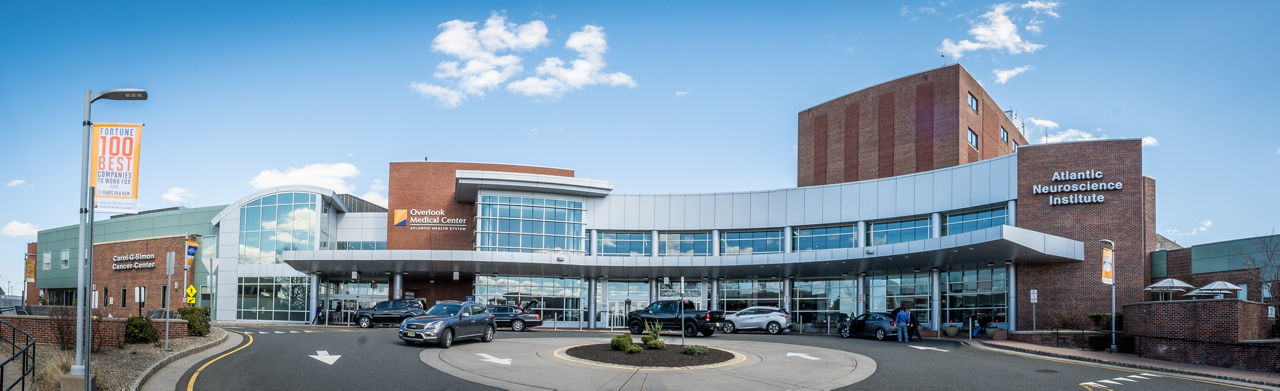
Diagnostic and interventional radiology services
Diagnostic Imaging
- X-ray
- Ultrasound
- Computed Tomography (CT) scan
- Coronary Computed Tomography Angiography (CTA)
- Magnetic Resonance Imaging (MRI) and Positron Emission Tomography (PET) scan
- Nuclear medicine
- Ultrasound liver elastography
- Computed Tomography (CT) scan for MAKO® Robotic-Assisted Surgery
Interventional Radiology
Interventional radiologists, advanced practice providers and interventional registered nurses perform both diagnostic and therapeutic procedures, including:
- Needle biopsies of the breast, lymph nodes, thyroid nodules, soft tissue masses and bone marrow
- Paracentesis, thoracentesis, cyst aspiration and lumbar puncture for diagnostic and therapeutic needs
- Gastric tube checks, repositioning and replacement
Theranostics
Theranostics combines therapy and diagnostics to describe a cutting-edge technology which allows physicians to first visualize cancer with a radioactive drug and then treat that cancer with a different form of the same drug. These drugs are called radiotracers because they have a small radioactive part that sticks only to cancer cells. The drug used for seeing cancer (like in a PET-CT scan) is almost the same as the one used for treating it, but the radioactive part is different. One is for imaging, and the other delivers radiation to kill cancer cells.
Nuclear Oncology is a special field in medicine where doctors use theranostics not only to see and treat cancer but also to manage the patient’s overall cancer care. These doctors:
- Understand the full cancer treatment plan
- Take extra care of their patients' health
- Learn about related fields like surgery and radiation therapy
FDA-approved theranostics treatments are available for:
- Prostate cancer
- Neuroendocrine tumors
- Thyroid cancer