Palliative care
Living with a life-threatening, progressive or incurable illness can present many challenges for patients and their families. Our team works to prevent or ease pain and physical, emotional and spiritual distress for patients and their families.

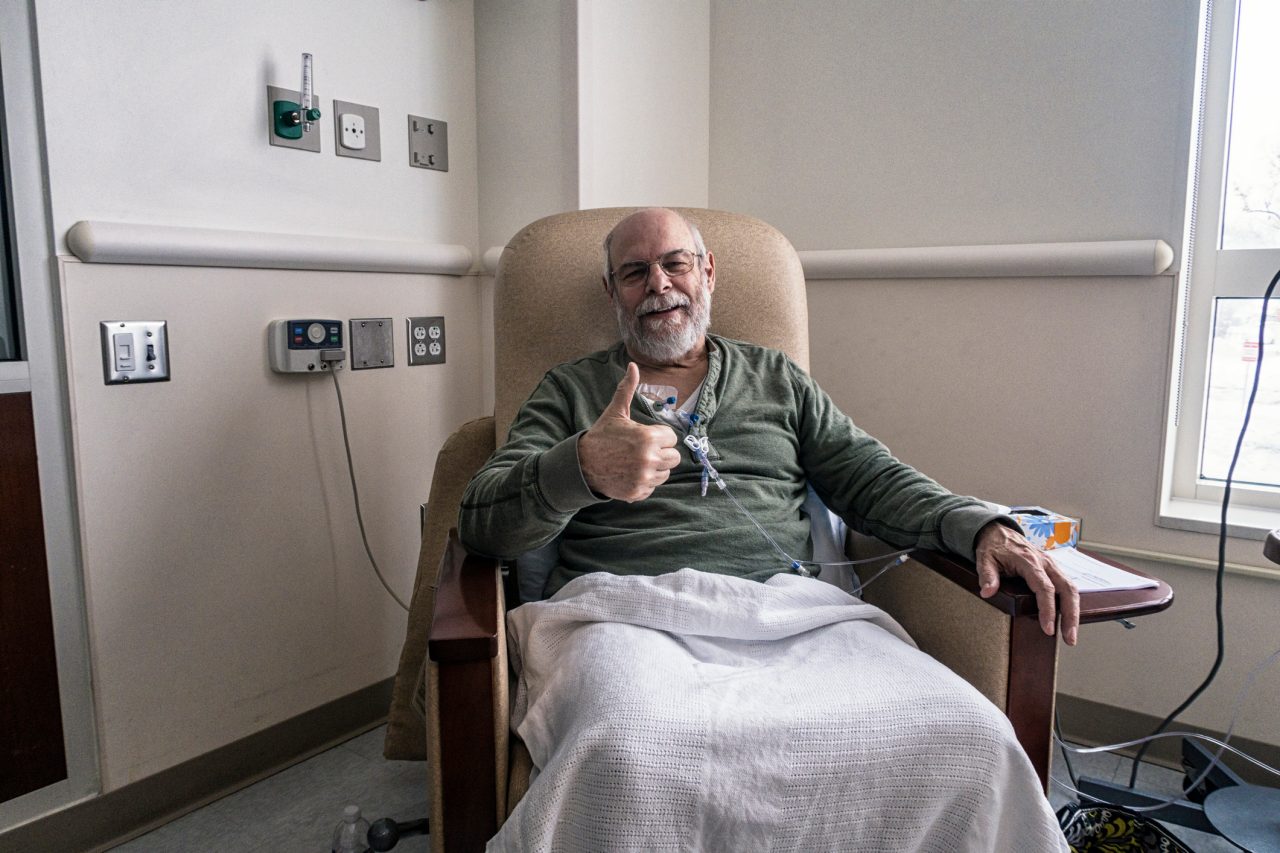
We see the person beyond the illness
All our supportive and palliative care is administered by our specialized medical team certified in palliative medicine. Our multi-disciplinary support team consists of doctors, nurse practitioners, nurses, social workers, chaplains and others.
We take the time needed to get to know our patients so that we can most effectively treat all of the symptoms and stressors of illness and its impact on their quality of life and the lives of their loved ones.
Our approach is comprehensive. We deal with physical symptoms such as pain, nausea and difficulty breathing, and we also tackle the challenging social, personal and spiritual issues that frequently arise during serious illness. These concerns may include anxiety, depression and worry about the future.
The purpose of supportive and palliative care
Our program is focused on seeing you as a person, not just a patient. We also understand that you are part of a community of loved ones and therefore it is important that we support them as well. Making sure you receive the expert support and resources needed when living with a serious illness is our job. In supportive care, our goal is to improve the quality of your life, but what we really mean is that we are working to help get you back to doing the things that bring meaning and joy to you.
Related programs and services
Who benefits from supportive care?
Supportive care is for anyone who is living with a serious illness or condition. It doesn’t matter what age you are or whether you may have just received your diagnosis or have had your illness for a long time. We provide the following services:
Expert pain and symptom management
Social, psychological and spiritual support
Summarizing complicated medical information for you and your loved ones
Helping you and your loved ones identify your goals for care and preferences for treatment based on what matters to you and manage the illness
Coordination and advocacy with the entire medical team about your care plan
Regardless, it is important for us to know what matters to you and how we can help you manage your symptoms in a way that aligns with your values and goals for care.
Types of supportive and palliative services we provide
Our services are coordinated by a dedicated nurse and are designed to optimize quality of life for patients and their families. They include:
Pain and symptom management to achieve maximum patient comfort
Therapy to maintain and improve the ability to perform tasks of daily living
Emotional and spiritual support for patients and their caregivers
Education and support groups to empower patients and their families
Complementary therapies to help ease stress and enhance comfort
Guidance on insurance verification and approval
Help with hospital discharge planning
Assistance with end-of-life planning and decision-making
Help with transitioning to hospice, if appropriate
How to get started
Patients need a referral from their primary care physician to receive palliative care services.

Palliative care versus hospice care
While both palliative and hospice care focus on patient comfort, there are distinct differences. The biggest difference is the intent of treatment. While all hospice is palliative care, not all palliative care is hospice.
- Palliative care is based on patient and family needs, not prognosis. It is provided with disease treatment.
- Palliative care is appropriate at any stage of serious illness.
- Based on a prognosis and life expectancy of less than or equal to 6 months.
- Patients agree to give up insurance coverage.
- Must forego curative care.