6 ways that hormones affect your skin
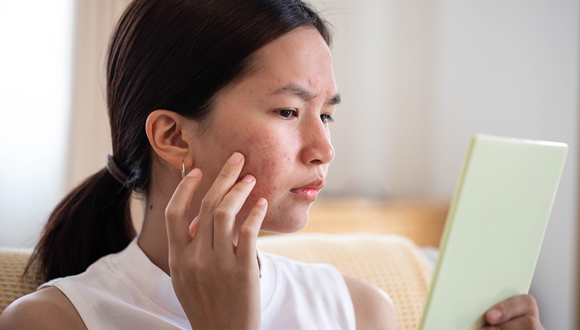
Your skin is a workhorse. It’s the largest organ in your body, accounting for roughly 15% of your total body weight. Its job is to protect the body, regulate temperature, support immunity and adapt through hormonal changes.
According to Cindy Wassef, MD, an Atlantic Health dermatologist, your skin is constantly influenced by hormonal fluctuations — from teenage acne to menopausal wrinkles.
“Hormones affect your skin’s oil production, collagen levels, pigmentation, hair growth and hydration,” she says. “The outer layer regenerates itself every few weeks to keep a healthy barrier, and it also reflects what’s happening inside your body.”
Here’s when skin is most affected by hormonal changes, and what you can do about it.
1. Puberty
During puberty, the adrenal glands stimulate the skin’s oil glands. This can lead to acne, increased sweating and even stretch marks during rapid growth. The best way to manage flares is with a consistent and gentle skincare routine, and acne treatment if needed.
2. Menstrual cycle
Two key hormones — estrogen and progesterone — can trigger breakouts, especially in the days leading up to your period. To prevent acne, oiliness and inflammation, keep track of your skin changes during your cycle and use targeted treatments as needed.
3. Pregnancy
Pregnancy hormone shifts cause skin changes, which will usually improve after delivery. Stretch mark lines may appear on your abdomen or legs. Skin tags and dark patches can develop around the neck and underarms. Dormant moles might become dark and enlarged.
4. Thyroid disorders
An overactive or underactive thyroid can lead to dry skin, thinning hair and even hair loss. These symptoms, along with fatigue and weight or mood changes, may be worth a conversation with your doctor, who might recommend a thyroid test.
5. Menopause
As estrogen levels decline during menopause, skin undergoes structural changes. Loss of collagen reduces the skin’s elasticity. Loss of hydration leads to dryness and wrinkles. Crepey skin and thinning hair are also common in post-menopausal women.
6. Stress
Stress may not cause skin conditions, but it can worsen them. Eczema, psoriasis and acne frequently flare up when you’re stressed. That’s because the same inflammatory signals that the body releases to cope can also aggravate and inflame the skin.
How to manage hormonal skin changes
While hormonal fluctuations are unavoidable, Dr. Wassef shares four ways to care for your skin as it evolves over a lifetime:
- Sun protection is the best way to slow the skin’s aging process and minimize UV exposure, which breaks down collagen and elastin.
- Gentle lotions with ceramides, urea and natural moisturizers help keep skin hydrated and glowing. Drinking plenty of water also helps.
- Collagen protein may help strengthen skin, hair and nails. But as with any protein supplement, talk with your doctor first.
- Changes in moles, skin tags, hair thickness or concerning skin conditions should all be managed with your dermatologist.
“People lose about 1% of their facial subcutaneous fat each year, starting in their 30s,” says Dr. Wassef. “While you can’t eliminate these hormonal skin changes, you can develop a few habits that help your skin age well.”
Related news articles