Does your mattress affect your sleep?
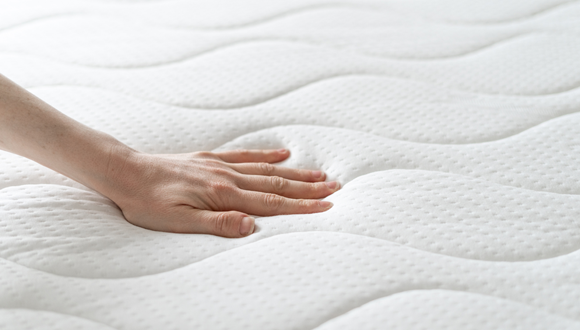
When it comes to better sleep, many rely on an eye mask or white noise to drift off. But according to Kenneth Kearstan, DC, a chiropractor at Atlantic Health Chambers Center for Well-Being, there’s a sleep aid that’s much more important — your mattress.
“Most adults need six to nine hours of quality sleep for optimal health and alertness,” says Dr. Kearstan. “Although there are many variables that influence sleep, starting with the right mattress for comfort and support is key.”
How much does a mattress matter?
A supportive mattress helps align your spine, distribute pressure, and provide overall comfort for sound sleep. If you regularly wake up feeling tired, sore or restless, your mattress may be part of the problem.
“An extra-soft mattress strains the spine and surrounding muscles,” says Dr. Kearstan. “Choose a mattress with a firmer base and adequate support, then add comfort with a topper that has thickness and cushioning tailored to your sleep positions and personal preferences.”
What to look for in a mattress topper
For most, there’s no need to purchase a brand-new mattress. Instead, a quality topper can be a simple cost-effective upgrade. In fact, Dr. Kearstan says many of his patients who have added a mattress topper notice that it improves their sleep quality.
“An extra-soft mattress isn’t ideal, and neither is an ultra-plush topper,” he says. “While they may feel luxurious at first, soft and cushy toppers can compromise support and alignment over time.”
Dr. Kearstan recommends a mid-feel topper instead. Something that’s not too hard, not too soft and has a little bounce-back or spring to it. This type of topper also helps with temperature control during sleep.
Setting up for your favorite sleep positions
Dr. Kearstan explains that your sleep position influences the amount of cushioning and support you need:
- Side Sleepers. To reduce pressure on the shoulders and hips, improve your positioning by adding a pillow between your knees and another under your upper arm.
- Back Sleepers. Consider a pillow under your knees, with your arms positioned slightly away from your body, as if you’re floating on water.
- Stomach Sleepers. This position can strain your neck and lower back. To modify it for comfort, bend one leg at an angle, which can reduce stress and pressure.
Caring for your mattress
Dr. Kearstan also recommends adding a mattress pad for extra comfort, and to protect and extend the life of your mattress. He also suggests rotating and flipping your mattress three to four times a year to prevent sagging and uneven wear and tear.
Beyond the mattress
“Even the best mattresses can’t compensate for an inconsistent sleep schedule or poor sleep habits,” says Dr. Kearstan. “Try to go to bed and wake up at the same times consistently so your circadian rhythm—your body’s internal clock—can do its job. When you listen to your body and keep a regular schedule, you’re more likely to enjoy deeper sleep and wake up feeling refreshed.”
Related news articles


