7 common myths about HPV
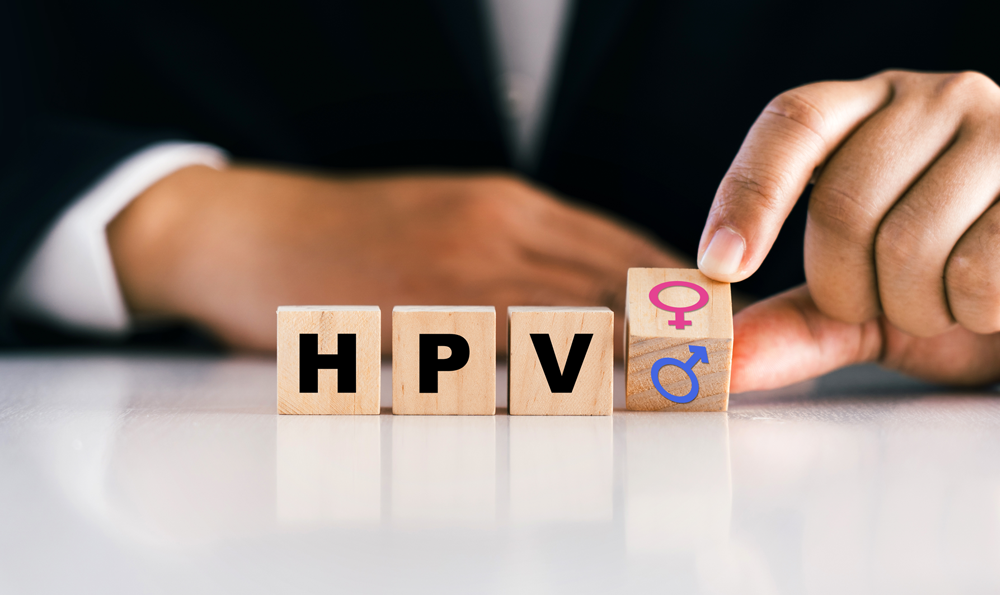
Human papillomavirus (HPV) is one of the most common viral infections—and also one of the most misunderstood. Stephanie Scharbach, DO, an obstetrician and gynecologist at Atlantic Health, clears up some of the myths around this sexually transmitted virus and explains how to keep it from developing into something more.
“Most sexually active people will contract HPV at some point in their lives—often without knowing it,” says Dr. Scharbach. “It’s important to understand the facts about HPV, its impact on public health and how to effectively manage your risk through vaccinations and screenings.”
Myth 1: HPV is rare and very few people get it.
Fact: Human papillomavirus (HPV) is the most common sexually transmitted infection with over 200 types. Some of these strains cause warts, chronic sore throat and even HPV-related cancers. Other strains are asymptomatic and will resolve naturally over time.
Myth 2: HPV is cancer.
Fact: HPV is not cancer. However, some high-risk types of HPV can lead to cancer. For example, genital warts are caused by a low-risk HPV that does not lead to cancer. But other high-risk HPV strains can cause abnormal cell changes, which, if not found early, can develop into cancers: cervical and vaginal, head and neck.
Myth 3: Only people with multiple partners get HPV.
Fact: HPV is extremely common, and even if you’ve only had only one partner, you can still be exposed to the virus. This is because HPV spreads easily and most people will encounter some form of it at some point in their lifetime.
Myth 4: I’m vaccinated, so I don’t need a cervical cancer screening.
Fact: The vaccine does not treat existing HPV infections or cancers, it prevents future infections. Even if you’ve been vaccinated for HPV, your doctor will likely recommend a routine Pap smear as the best way to screen for cervical cancer. The Pap test can detect abnormal precancerous cells caused by HPV.
Myth 5: HPV only affects girls and women.
Fact: HPV can affect anyone, and all people can carry and spread the virus through skin-to-skin contact and sexual activity. This is why everyone—boys, girls, men and women—can benefit from understanding how to prevent and protect themselves from contracting the virus.
Myth 6: The HPV vaccine is unsafe or unnecessary.
Fact: It is recommended that both men and women receive the vaccine. The HPV vaccine has been widely studied and is considered safe and effective. It protects against high-risk HPV that can develop into cervical and vaginal cancers, and head and neck cancers, especially when given before a person becomes sexually active.
Myth 7: Once you have HPV, it never goes away.
Fact: Most cases of HPV come—then go. In most cases, your immune system naturally clears the virus out of your body with no symptoms. There are multiple factors that contribute to your body’s ability to clear the virus, including age, smoking and immune status.
“Misinformation about HPV can create create fear and confusion, so talk about it with your family doctor, child’s pediatrician or OB/GYN,” says Dr. Scharbach. “When you know the facts about HPV, it eases stigma and allows you to make more informed health choices.”
Recommendations
- Begin screening at age 21. Consider stopping screening at age 65 based on prior screening results.
- Screenings can range from annually to every five years. See your doctor regarding recommendations that are best for you, as they vary based on age, prior Pap smear history, and type of test collected.
- Receive the vaccination between ages 11 and 12 for best protection (although vaccine can be given up to age 45).
- Receive two vaccine doses if given under age 15.
- Receive three vaccine doses if given at age 15 or older, or are immunocompromised.
Related news articles


